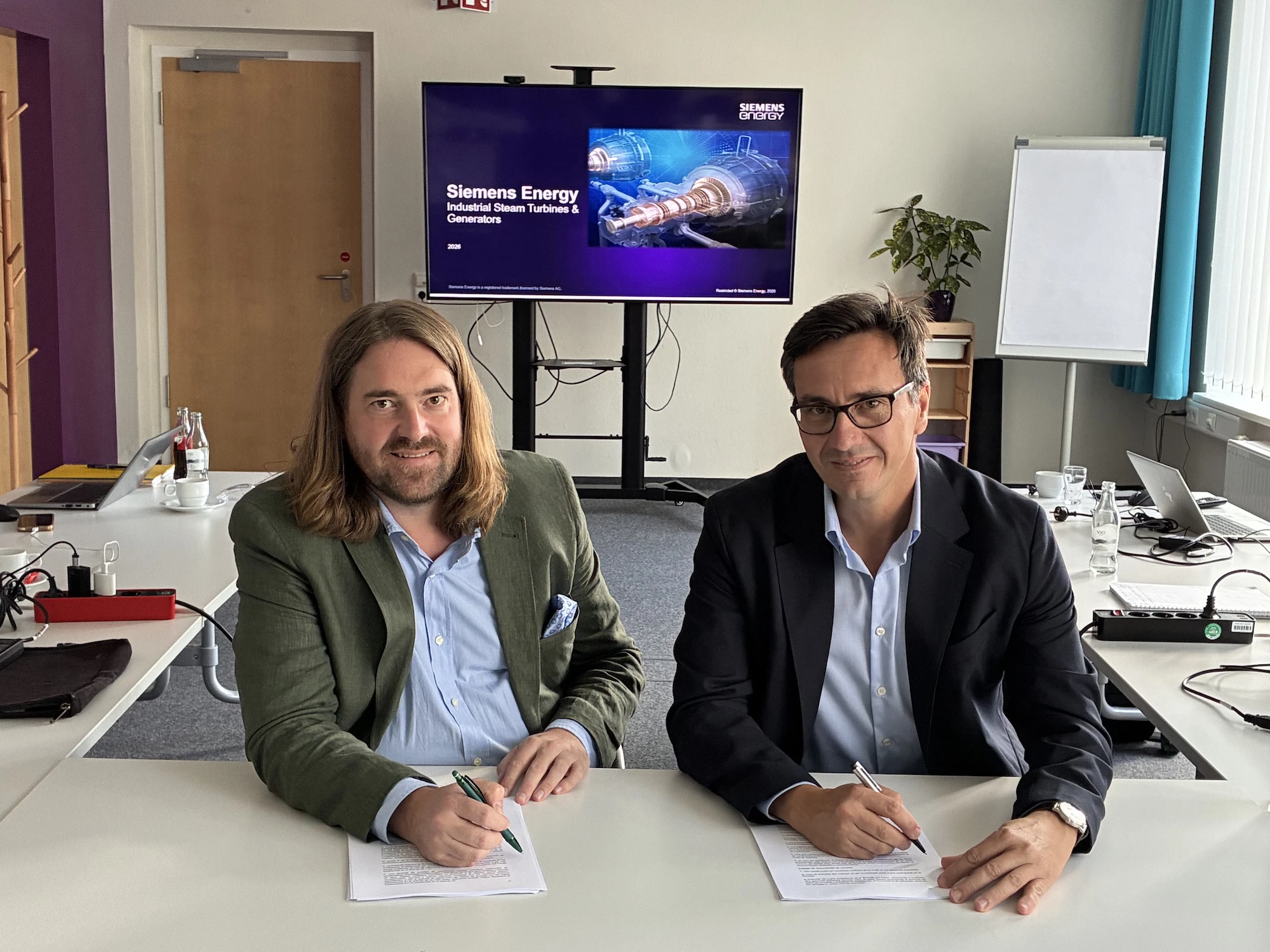
Celia García-Ceca March 10, 2025. Specifically, the Spanish company Reolum, specializing in innovative energy transition solutions, has commissioned the consortium formed by Técnicas Reunidas and Siemens Energy to carry out the front-end engineering design of the project as a preliminary step to its future construction in La Robla (León). Siemens Energy's work will focus on the renewable hydrogen unit, while Técnicas Reunidas will handle the biogenic carbon capture and e-Methanol production units.
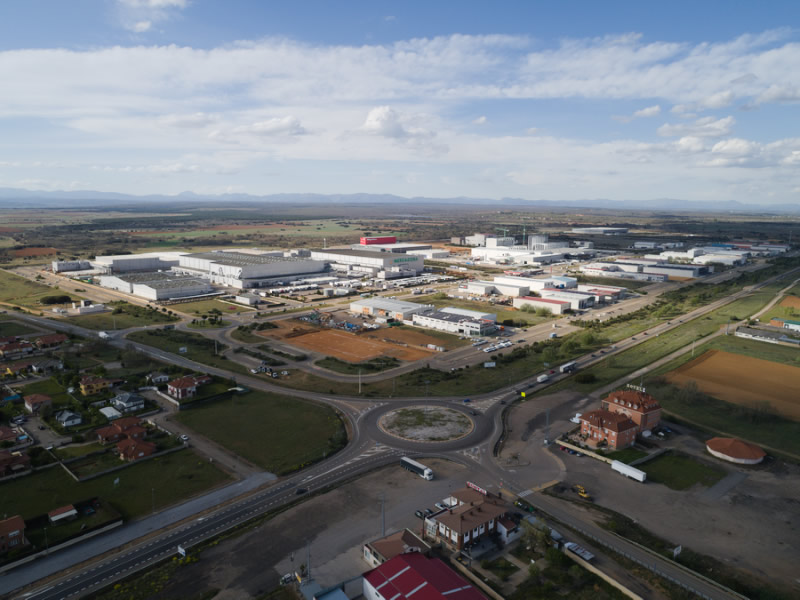
A consortium formed by Técnicas Reunidas and Siemens Energy has been awarded the engineering design contract for the 'La Robla Green' project, which will be one of Europe's largest renewable methanol plants in the town of La Robla, León. Specifically, the Spanish company Reolum, specializing in innovative energy transition solutions, has commissioned the consortium of Técnicas Reunidas and Siemens Energy to carry out the front-end engineering design of the project as a preliminary step to its future construction in La Robla (León). The facility, with a production capacity of 140,000 tons per year, will combine biogenic carbon from a biomass cogeneration plant with renewable hydrogen to produce e-methanol, as reported by Técnicas Reunidas in a press release on Monday.
According to the scope of the contract, Siemens Energy's work will focus on the renewable hydrogen unit, while Técnicas Reunidas will handle the biogenic carbon capture and e-methanol production units. Mitsubishi Heavy Industries will be the CO2 capture licensee, and Johnson Matthey will supply its proprietary technology, called 'eMERALD', which enables the direct hydrogenation of captured CO2 to methanol. This project falls under 'track', Técnicas Reunidas' decarbonization strategy, one of the pillars of 'Salta', the strategic program the company launched last May. The development of this engineering phase will be the preliminary step before the plant's physical construction, which will be carried out through an EPC (engineering, procurement, and construction) contract.
On February 21, the Ministry for Ecological Transition and the Demographic Challenge allocated €180 million to the project, charged to Next Generation EU funds, in the provisional resolution of the call for aid for the creation of seven large renewable hydrogen clusters, located in Aragon, Andalusia, Castile and León, Catalonia, and Galicia, which are part of the Renewable Hydrogen Valleys program.